

As energy costs continue to increase, seeking ways to make our homes increasingly energy efficient has become crucial. One of the most effective places to start is with your HVAC system, which can greatly affect your energy bills and overall comfort. By using https://dhberryinc.com/ , you can not just save money but also extend the lifespan of your HVAC unit. Understanding the nuances of your heating, ventilation, and air conditioning system is key to ensuring it functions efficiently and smoothly.
In this article, we will discuss essential tips and tricks for enhancing energy efficiency in your HVAC system. From recognizing warning signs that your AC unit could be malfunctioning to knowing when to schedule those necessary annual tune-ups, we'll address everything you need to maintain your home comfortable without breaking the bank. Whether you're facing seasonal heat waves or looking to improve indoor air quality, these HVAC hacks will help create a more comfortable living environment while saving you money in the future.
Preventative Servicing Essentials
Preventative servicing is essential to making certain that your HVAC system operates effectively and effectively. Regular check-ups help detect possible issues before they escalate into expensive repairs or system failures. By scheduling yearly tune-ups, you not only extend the lifespan of your system but also ensure peak performance, which is essential for comfort and energy savings. A certified technician can spot signs of wear and tear, clean essential components, and make small adjustments that can lead to significant gains in efficiency.
One of the key aspects of preventive maintenance is filter changes. While many homeowners are diligent about changing filters, this is just one part of an overall maintenance plan. A thorough service includes checking and servicing of all system components, including coils, air ducts, and drain lines. Regularly attending to these elements not only enhances air quality but also lessens the strain on your HVAC system, ultimately resulting in lower energy bills and a reduced likelihood of breakdowns.
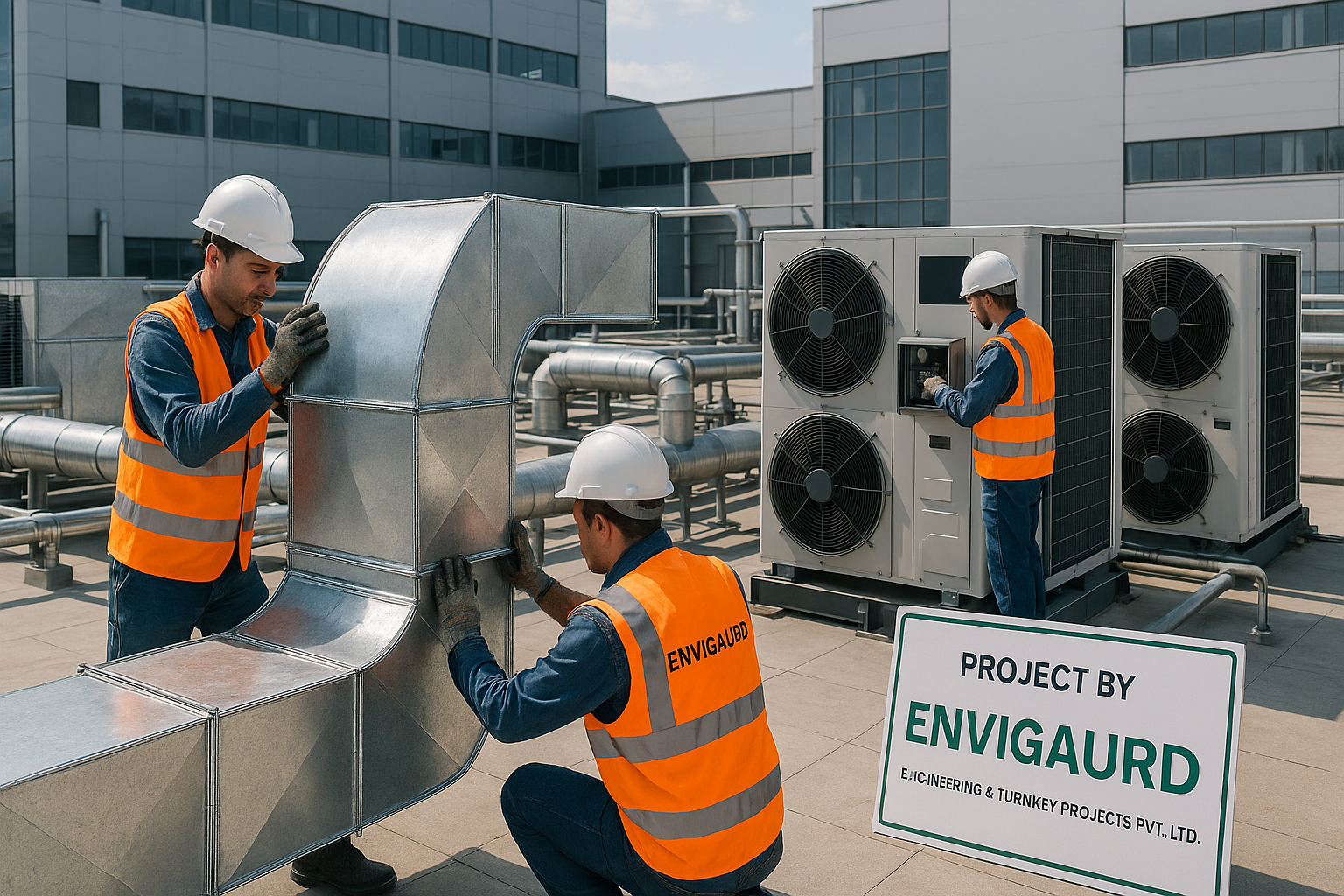
Furthermore, preventative maintenance plays a crucial role in enhancing indoor air quality. Dust, allergens, and other pollutants can accumulate in your HVAC systems, leading to health issues for your family. By staying current with routine maintenance, such as professional servicing and maintenance, you guarantee that your home environment remains healthy. This proactive approach reduces the chances of respiratory issues and enhances comfort, making it a worthwhile investment for all homeowner.
Spotting HVAC Concerns
Identifying potential concerns with your HVAC system promptly can prevent you time, costs, and inconvenience. One of the primary signs you might notice is a quick increase in your electricity costs without a corresponding shift in consumption. If your HVAC system is working more than expected to keep your home's heat, it may suggest issues or latent problems that require attention. Additionally, odd noises coming from the unit, such as grinding, rattling, or humming, can be warning signs signaling malfunctions that need to be investigated.
Another essential factor to watch is the air circulation throughout your home. If particular spaces are consistently too hot or too cold, it may suggest that your ducts are obstructed or the system is not spreading air uniformly. Another concern is when the system functions repeatedly without reaching the target climate, which can lead to weariness and more damage. Noticing these differences can help detect concerns before they grow into expensive fixes.
Finally, pay close attention to any offensive odors emanating from your HVAC system. A smoky smell can indicate an electrical problem, while damp odors may indicate fungal growth within the ducts. These conditions not only impact system performance but can also pose health concerns for you and your home. Tackling these signals promptly assures your HVAC system operates smoothly and provides a clean indoor atmosphere.
Maximizing Effectiveness and Comfort
To attain both power effectiveness and comfort in your home, it is crucial to improve your HVAC system's functionality. Start by ensuring that your system is the appropriate size for your space; an too large unit can lead to short cycling, while an undersized unit struggles to maintain temperatures. Contemplate hiring a professional to assess your requirements based on aspects like home size, thermal resistance, and local climate factors. Proper sizing not only improves comfort but also greatly improves power efficiency.
Regular maintenance cannot be overstated when it comes to enhancing the effectiveness of your HVAC system. Arrange annual inspections to keep your heating and air conditioning systems operating effectively. During these check-ups, a technician will inspect essential parts, service the units, and change out filters, ensuring maximum airflow. This preventative care reduces the chances of unexpected breakdowns and can reduce utility bills, providing long-term benefits.
Finally, think about upgrading to smart HVAC technology that enable for better control over your indoor environment. Intelligent thermostats can learn your patterns and modify the settings accordingly, reducing energy use while ensuring convenience. Additionally, implementing zone systems enables different areas of your house to be heated or air-conditioned based on demand, further improving efficiency. Utilizing these advancements not only contributes to energy efficiency but also provides a more personalized and pleasant living space.